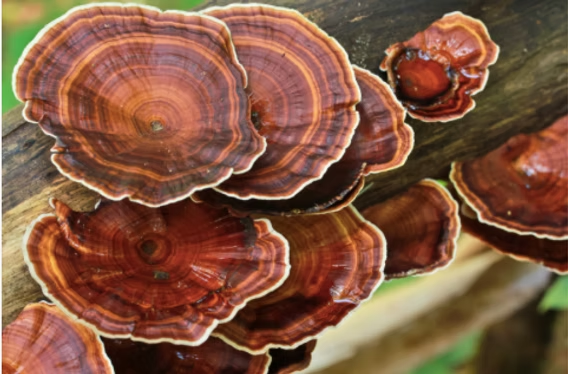
The Tibetan Secret Behind Cordyceps
At 4,300 metres on the Tibetan plateau, herders observed their yaks grazing on a strange parasitic fungus and becoming unusually powerful. Two thousand years later, Olympic coaches are running controlled trials.
The story of Cordyceps in Western medicine begins in 1993. Three female Chinese runners broke world records at the National Games in Beijing, not by small margins, but by extraordinary ones. Their coach, Ma Junren, attributed the performance to a regime that included Cordyceps sinensis extract.
The West was skeptical. The athletes were tested for banned substances, found clean, and the result was quietly filed away. But the sports science community started paying attention.
Two thousand years before the track
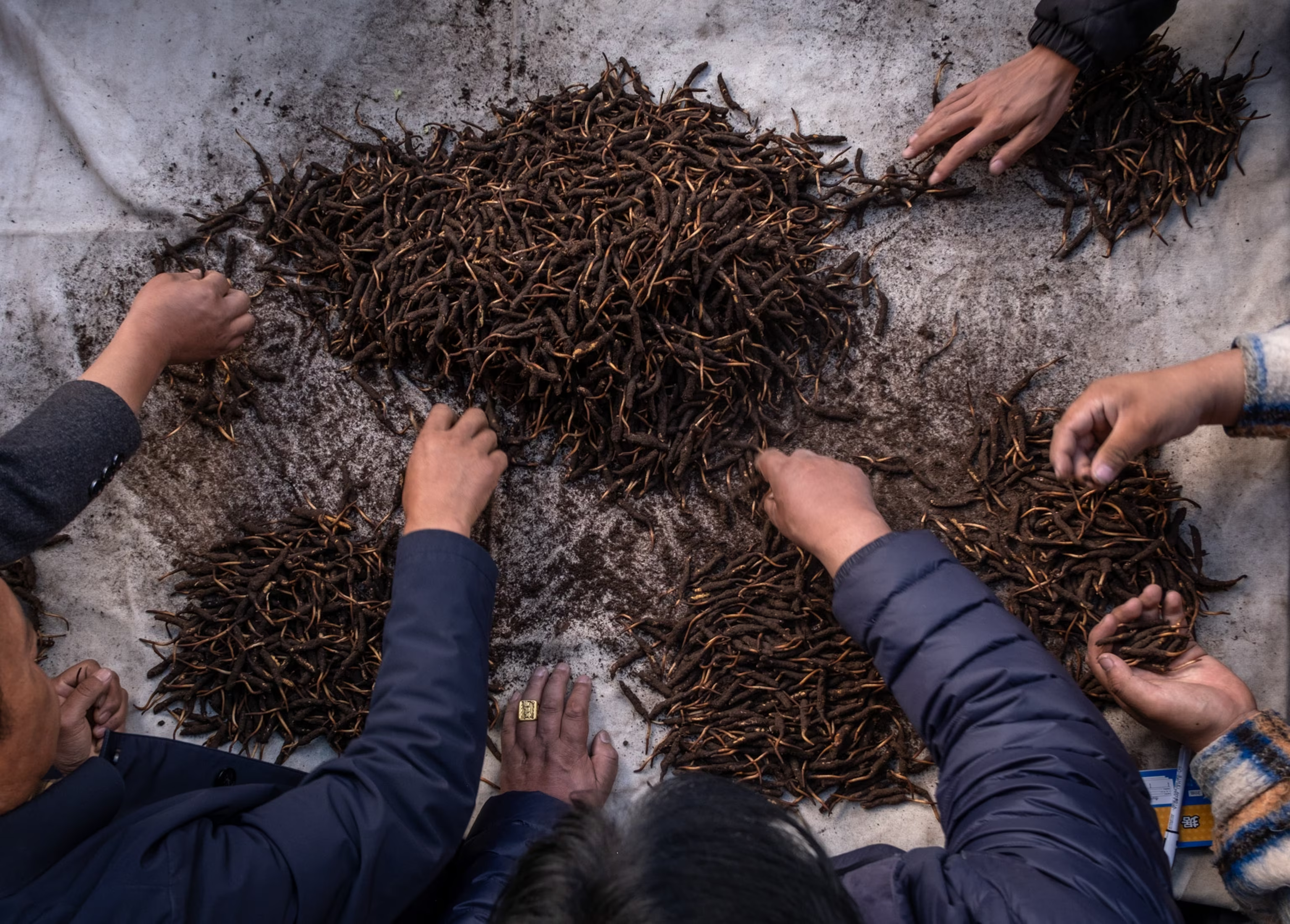
What Ma Junren's athletes were doing was repeating a practice documented in Chinese royal medical texts dating to the 15th century. The Tibetan name for wild Cordyceps is "yartsa gunbu", literally "winter worm, summer grass", a reference to its extraordinary life cycle: a caterpillar infected by the fungus in autumn, preserved through winter, with the fruiting body emerging from the insect's head in spring.
Tibetan plateau herders first noticed that yaks and horses grazing in areas where Cordyceps grew became unusually energetic and strong. The mushroom was so rare and valuable that it entered royal courts across China and was reserved for emperors.
What the biochemistry shows:
The active compounds in Cordyceps militaris, the cultivated species used in modern supplements and by far the most studied, are adenosine and cordycepin, a modified form of adenosine.
Adenosine is a direct precursor to ATP, the energy currency of every cell in your body. Cordycepin has been shown in multiple studies to increase ATP synthesis, enhance mitochondrial function, and improve oxygen utilization at the cellular level.
The peer-reviewed research confirms VO₂ max increases of up to 7%, which in athletic terms is enormous. Elite athletes spend years trying to gain 1-2% improvements. Cordyceps appears to achieve this not through stimulation, but through genuine enhancement of the cellular machinery of energy production.
Cordyceps sinensis vs. militaris:
Wild Cordyceps sinensis, the Tibetan caterpillar fungus, sells for up to $20,000 per kilogram. It cannot be commercially farmed. Cordyceps militaris, which is cultivated and used in supplements, has been shown in comparative studies to contain higher concentrations of cordycepin than wild Cordyceps sinensis. The active compounds are more accessible and more consistent, not less.
This is the product in your capsule. And it has more clinical research behind it than almost any adaptogen in the market.